7–11 September 2026
Legacies of 9/11: 25 Years of Changing Global Security
A week-long series held to mark 25 years since the September 11 terrorist attacks

Photo: Julien Maculan / Unsplash
On 11 September 2026, the world marked the 25th anniversary of the September 11 terrorist attacks — one of the most consequential terrorist incidents in modern history. The attacks reshaped global security priorities, led to the launch of the “War on Terror,” and significantly influenced international law, intelligence cooperation, military interventions, border security, and approaches to countering violent extremism.
To mark this milestone, the AVERT Research Network convened a week-long series of panel discussions bringing together leading Australian and international researchers, policymakers, practitioners, and civil society representatives. Rather than a purely commemorative programme, the series was intended as a substantive discussion of how the threat landscape has evolved over the past twenty-five years and what priorities should shape the next decade.
Each session was co-hosted with a partner organisation. Recordings of each session are available below for anyone unable to attend live.




Objectives
- Reflect on key lessons learned since 9/11 across policy, law, prevention, and operational practice
- Examine how terrorism and violent extremism have evolved over the past twenty-five years
- Consider contemporary and emerging threats to security
- Provide an educative opportunity for students, early-career researchers, and new audiences
- Counter misinformation and conspiracy narratives relating to the 9/11 attacks and their legacy
- Build stronger links between academia, government, and practitioner communities
Programme
Day 1 · Monday, 7 September 2026
15:00–16:30 AEST · RSSS Auditorium, ANU, 146 Ellery Cres, Acton ACT 2601 — in person and via Zoom
Counter-Terrorism and Evolving Terrorism Threats
This seminar discussed how the terrorist threat has evolved over the quarter century since 9/11. In doing so, the speakers critically considered the impacts and implications of counter-terrorism (CT) efforts that have been undertaken since 2001, and how the changing character of terrorist threats potentially demands reconsideration and recalibration of how counter-terrorism and preventing/countering violent extremism policies and practices are conceived and implemented. Terrorism continues to manifest in increasingly diverse, complex, and novel ways and the speakers sought to articulate how these threats are changing, across ideologies, actors, tactics, and strategies. The discussion addressed the growing diversity of terrorist threats, the challenges these present for existing frameworks, and how new contexts, both social, geopolitical and technological, are impacting the terrorism threat landscape.
Co-hosted with Research School of Social Sciences, Australian National University
The Research School of Social Sciences (RSSS) is Australia's major institution for theoretical and empirical research in the social sciences, and a significant presence in the nation's undergraduate, postgraduate and postdoctoral training in the field. One of the four foundation research schools of the Institute of Advanced Studies at ANU, RSSS has for decades been a forerunner in social sciences research, with a proud history and an international reputation for exceptional scholarship, and both undergraduate and graduate teaching programs grounded in what we research. We contribute to public debate in Australia and internationally across the whole social sciences spectrum, convening workshops, public lectures, debates and roundtables on issues of public and community importance.
Speakers
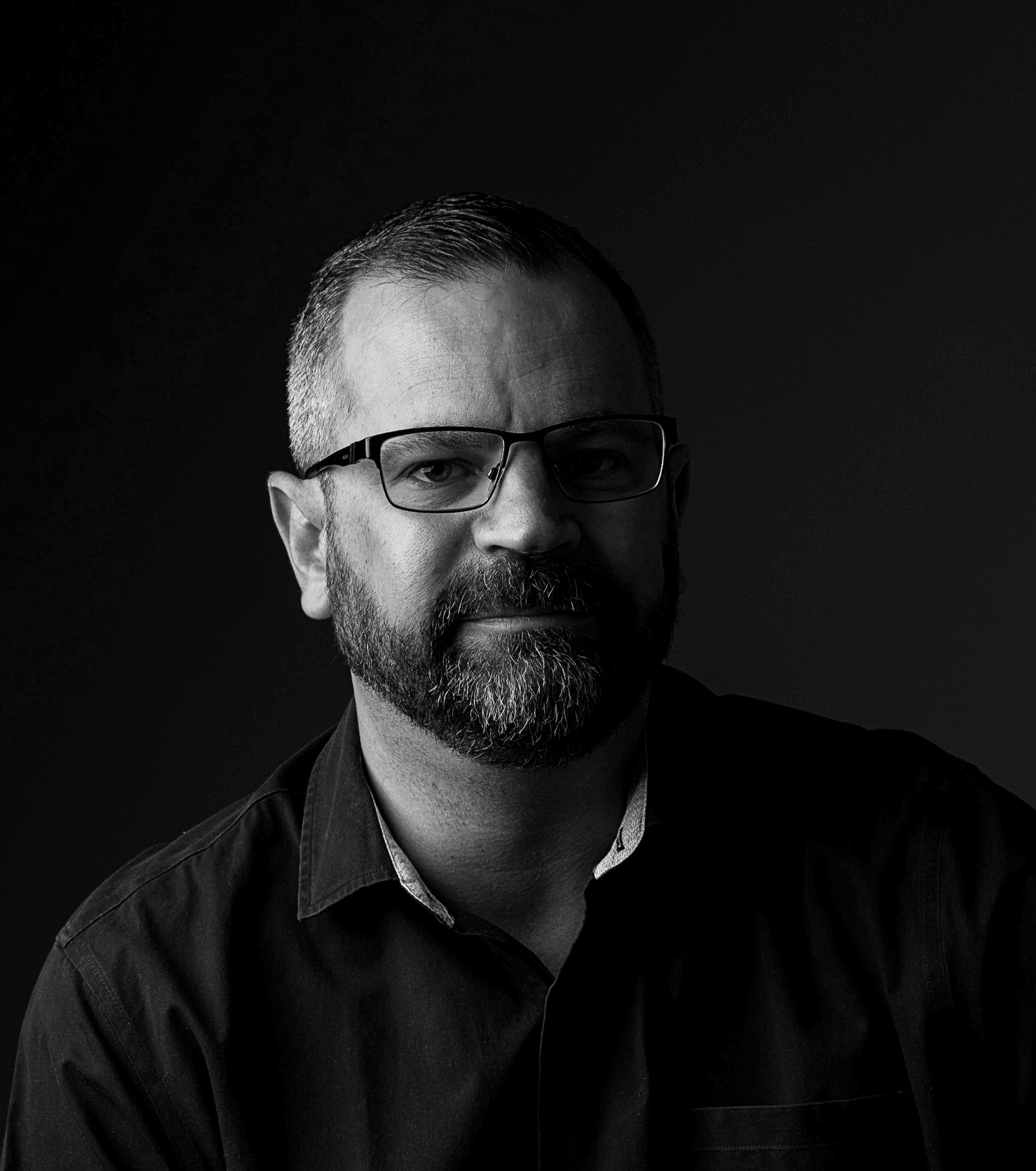
Moderator & Panellist
Levi WestResearch Fellow, Australian National University
Dr Levi West is an internationally recognised expert on terrorism and counter-terrorism and a Research Fellow at the Australian National University, where he researches radicalisation. Previously Director of Terrorism Studies at Charles Sturt University, his research focuses on the intersection of terrorism, communication and technology. He holds a PhD from Victoria University, for which he received the Terrorism Research Initiative Thesis of the Year award, and regularly advises government, intelligence, law enforcement and military stakeholders in Australia and internationally.
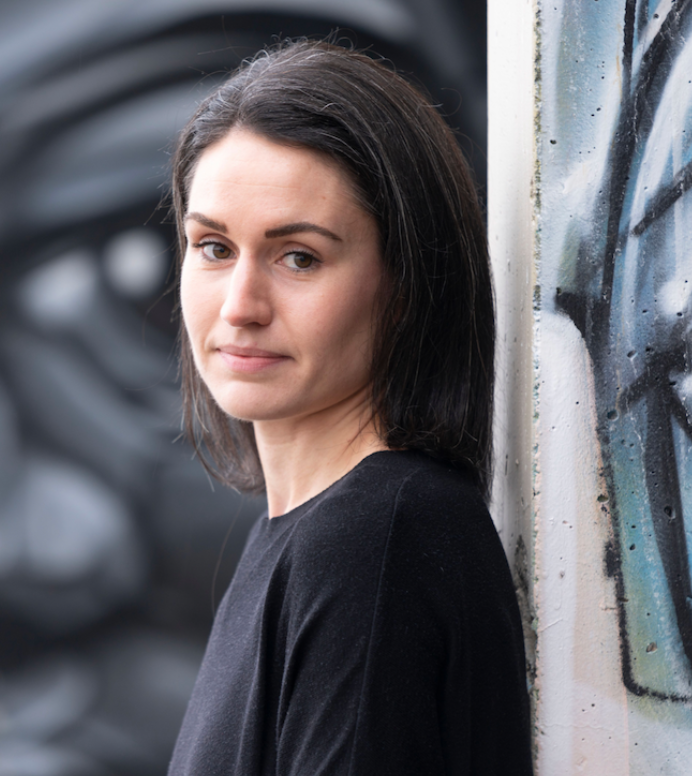
Panellist
Emily CornerAssociate Professor, POLIS: The Social Policy Research Centre, ANU
Dr Emily Corner is an Associate Professor at POLIS: The Social Policy Research Centre at the Australian National University. Prior to joining the ANU, Emily was a Research Associate at the department of Security and Crime Science at University College London, working on projects examining lone and group-based terrorism, radicalisation, mass murderers, and fixated individuals. Her doctoral research focused on examining mental disorders and terrorist behaviour and won the Terrorism Research Initiative’s Thesis award in 2016. She has published in leading psychology, forensic science, criminology, threat assessment, and political science journals. She has worked on research projects funded by Defence Science and Technology Laboratory, the European Union, the National Institute of Justice, the Department of Defence, and the Department of Home Affairs. Prior to her doctoral research she worked across step-down, low, and medium secure psychiatric hospitals, in both inpatient and outpatient settings.

Panellist
Jen RobinsonResearch Member, AVERT Research Network
Dr Jennifer B. Robinson completed her thesis, entitled “A Network of National Socialists? The Physical Manifestation of Extreme Right Ideology in the trans-Tasman, 2000-2022” in October 2024, at the Strategic and Defence Studies Centre, Australian National University, Canberra; it was conferred on 9 December 2024. She has since published two articles derived from her doctoral research in Terrorism and Political Violence journal. Jennifer is a Research Member of Addressing Violent Extremism and Radicalisation to Terrorism (AVERT), based in Melbourne, Australia and a member of the IAPSS/CREST Community of Interest on Violence Norms. In addition to a PhD, she also holds a Master of International Security, from the University of Sydney, and a Master of Arts (Honours) in Modern History from the University of St Andrews, Scotland. Previously, she was a Commissioned Officer in His Majesty’s Royal Air Force in the U.K.
Recording
Watch the recording →
Day 2 · Tuesday, 8 September 2026
17:00–18:00 AEST (08:00–09:00 AM BST) · Online via Zoom
Digital Frontlines: Online Extremism and Prevention Since 9/11
In the 25 years since 9/11, the frontline against violent extremism has shifted from physical spaces to digital ones, and online violence prevention has grown to meet it, spanning law, multilateral diplomacy and multistakeholder cooperation across governments, industry and civil society. Its goal has always been the same: to stop online violent extremism from taking root and spreading into real world violence.
Yet one thread runs through nearly all of it, often unacknowledged at the outset: gender. From the earliest counter-terrorism frameworks to today's fastest-growing online harms, misogyny and violence against women have moved from the margins of the field to its centre.
This panel, moderated by Moonshot, brought together researchers and practitioners to take stock of how online extremism has evolved and what prevention has achieved. The discussion traced how gendered narratives, grievance and radicalisation have shaped extremist movements throughout the past 25 years, and why the manosphere, tech-facilitated gender-based violence and misogynistic content in gaming spaces have become some of the most pressing online harms of the current moment.
Co-hosted with Moonshot
Moonshot is a social impact business with a mission to end online harms, applying evidence, ethics and human rights. Moonshot supports the governments of Australia, Canada, New Zealand, the United Kingdom, and the United States with efforts to improve risk assessment, prevention, and interventions in the online environment. Our work is rooted in the fundamental belief that people can change. We specialise in delivering programs that connect people at-risk of violence with content and services that reduce their vulnerability to, and support their disengagement from, violent extremism. This work is delivered to the highest data privacy standards, and always protects individual rights and freedoms.
Moderator

Director of Online Violence Prevention, Moonshot
Theresa Rajah is Director of Online Violence Prevention at Moonshot, a global social impact organisation delivering evidence-based digital interventions across Five Eyes countries. She leads government-commissioned programmes in Australia, Canada, New Zealand, and the United Kingdom, countering gender-based violence, violent extremism, and online harm. With over a decade of experience across social inclusion, gender equity, and violence prevention, Theresa has served on the Victorian Government Expert Panel on Terrorism and Violent Extremism and advised the Ministerial Taskforce on Social Cohesion and Community Resilience. Her expertise bridges social policy, prevention programmes, and advisory across government, civil society, and the technology sector.
Panellists
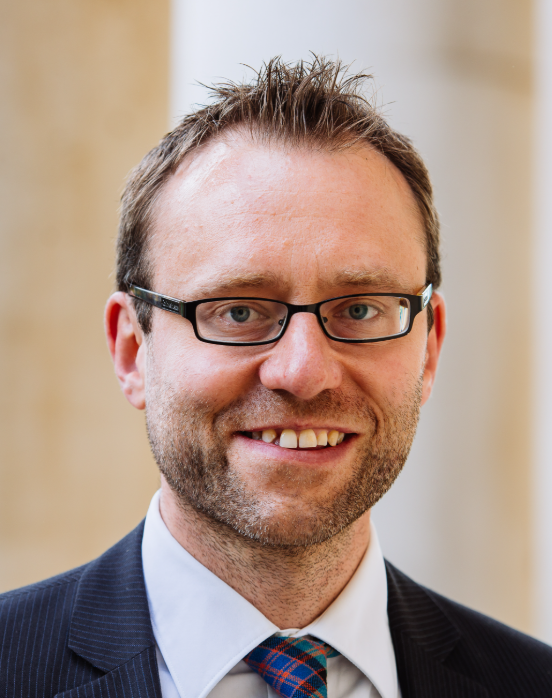
Professor of Law, Swansea University
Stuart Macdonald is Professor of Law at the Hillary Rodham Clinton School of Law, Swansea University, UK. He is Co-Director of the University’s Cyber Threats Research Centre (CYTREC) and Coordinator of the VOX-Pol Network. Stuart’s research focuses on terrorists’ use of the internet. Most recently, he has examined jihadist narratives, the strategies used to disseminate terrorist propaganda online, and regulatory responses. He has received research funding from the British Academy, Welsh Government, US Government, NATO and the EU, among others. Stuart is the lead organiser of the biennial Terrorism and Social Media (TASM) conference, a member of Europol’s Advisory Network on terrorism and propaganda, a Senior Fellow at Hedayah and an Associate Fellow at the International Centre for Counter-Terrorism – The Hague. In 2016/17 he was also the holder of a Fulbright Cyber Security Award.
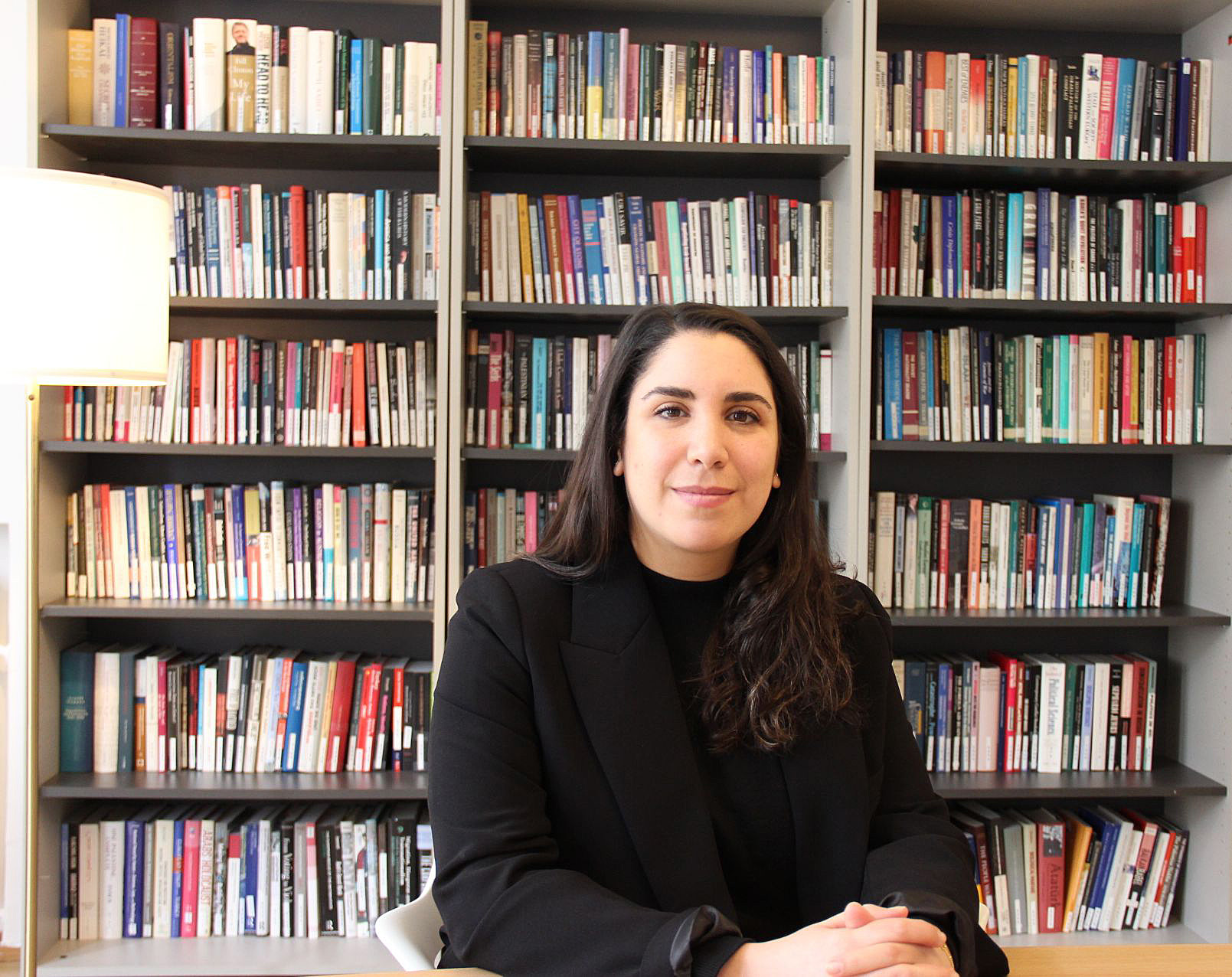
Principal Strategic Advisor, Christchurch Call Foundation
Dr Yasmin Chilmeran is a Principal Strategic Advisor at the Christchurch Call Foundation, where she works on Project Catalyst, a multi-stakeholder and multi-country initiative focused on the prevention of online misogyny as a pathway to radicalization to violent extremism. Yasmin's broader research and practitioner work spans issues related to gender-based harms, reintegration and the prevention violent extremism, most often in contexts affected by conflict. Previously, Yasmin worked with the United Nations in Iraq, leading policy and coordination on the return and reintegration of Iraqi nationals from northeast Syria including Al Hol. She holds a PhD from Monash University's Centre for Gender, Peace and Security.
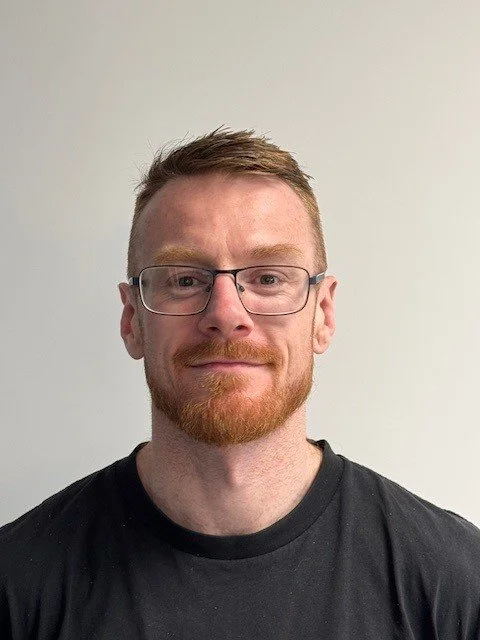
Dr Angus Lindsay
Department of the Prime Minister and Cabinet (DPMC), New Zealand
Dr Angus Lindsay is a critical criminologist researching digital violent extremism, nihilistic violent extremism, far-right ecosystems, and emerging online subcultures. His work examines how digital platforms, socio-technical systems, and online cultures shape extremist mobilisation and evolving threat environments, including within incel and nihilistic violent extremist networks. His recent research explores the convergence of violent extremism with other forms of online exploitation and harm, as well as digital racial capitalism and contemporary far-right mobilisation. Angus holds a PhD in Criminology from Te Herenga Waka—Victoria University of Wellington. Alongside his research, he works in national security policy in Aotearoa New Zealand and has held senior advisory roles focused on counter-terrorism and violent extremism. His work bridges critical scholarship and policy practice to understand and respond to rapidly evolving digital threat environments. The views expressed are his own and do not necessarily represent those of the New Zealand Government.
Recording

Watch the recording →
Day 3 · Wednesday, 9 September 2026
11:00–12:00 AEST · Online via Zoom
From 9/11 to Now: Policing and Intelligence in a Changing Threat Landscape
As part of a week-long series of events marking the 25-year anniversary of the September 11 terrorist attacks, and presented by the AVERT Network, this session brought together three senior practitioners for ‘From 9/11 to Now: Policing and Intelligence in a Changing Threat Landscape’.
Twenty five years after September 11, the panel reflected on how policing and intelligence were transformed by the post-9/11 threat landscape. Drawing on decades of frontline experience across Australian and UK counter-terrorism, the panel discussed the immediate challenges 9/11 posed for law enforcement and intelligence agencies, and how fields like criminology and international security adapted in response. This unique discussion connected that watershed moment to the evolving threats confronting police and intelligence services today, offering insight from those who lived through and shaped the post-9/11 world.
Co-hosted with Macquarie University
The School of International Studies at Macquarie University brings together the four disciplines of Criminology, Global Cultures and Languages, Politics and International Relations, and Security Studies to explore the world and shape its future. Our internationally recognised research addresses the complex challenges facing our interconnected world, spanning global environmental justice and crime, language and power, climate and geopolitics, and intelligence and counterterrorism. Through strong partnerships with government, industry, community organisations, and international institutions, we deliver research that informs policy and creates real-world solutions. Our students learn from world-leading academics and industry practitioners across a range of undergraduate and postgraduate degrees, tailored executive courses, and global learning experiences that build the skills, perspectives, and networks needed to thrive in a rapidly changing world.
Moderator
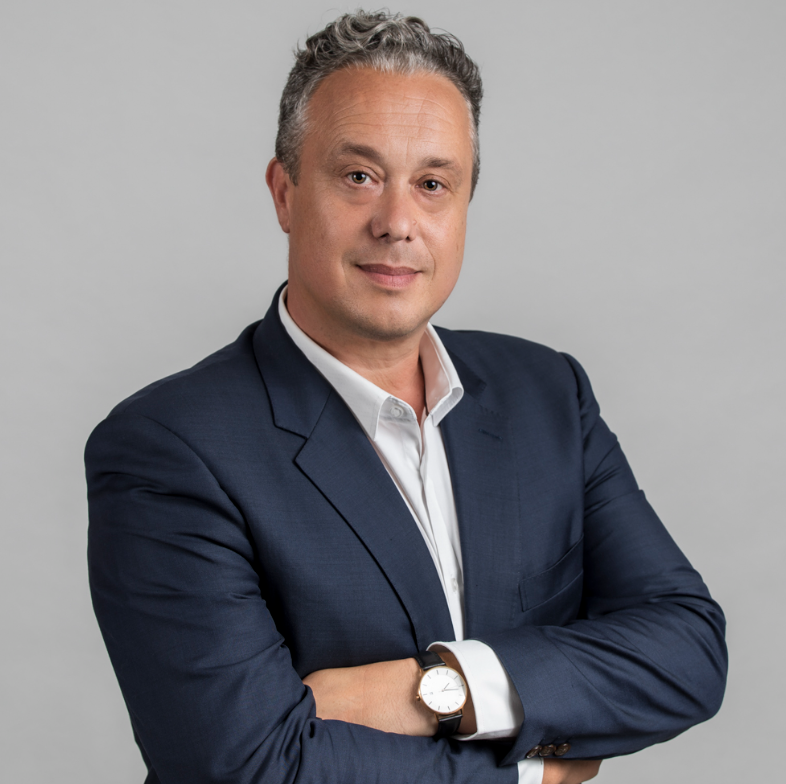
Head, School of International Studies, Macquarie University
Professor Droogan is Head of the School of International Studies. He is also Editor-in-Chief of the Journal of Policing, Intelligence and Counter Terrorism (Routledge) and co-convenor of the AVERT Research Network. Julian's academic research focusses on online extremism and disinformation, South Asian violent extremism, and terrorist cultures. Through his career, Julian has worked with a range of stakeholders from government, the private sector, and community groups to apply university-based research to devising solutions to contemporary security challenges. He has led research projects for the Australian and US Departments of Defence, for the NSW Government, and for the United States Institute for Peace, among others. These encompass topics such as mapping jihadist propaganda, young Australians' engagement with online violent extremist content, the rise of far-right and conspiratorial narratives through social media, and the spread of online disinformation in Australia's region. Julian was instrumental in designing the COMPACT countering violent extremism program, operated by Multicultural NSW and aimed at fostering broad societal resilience to violent extremism.
Panellists
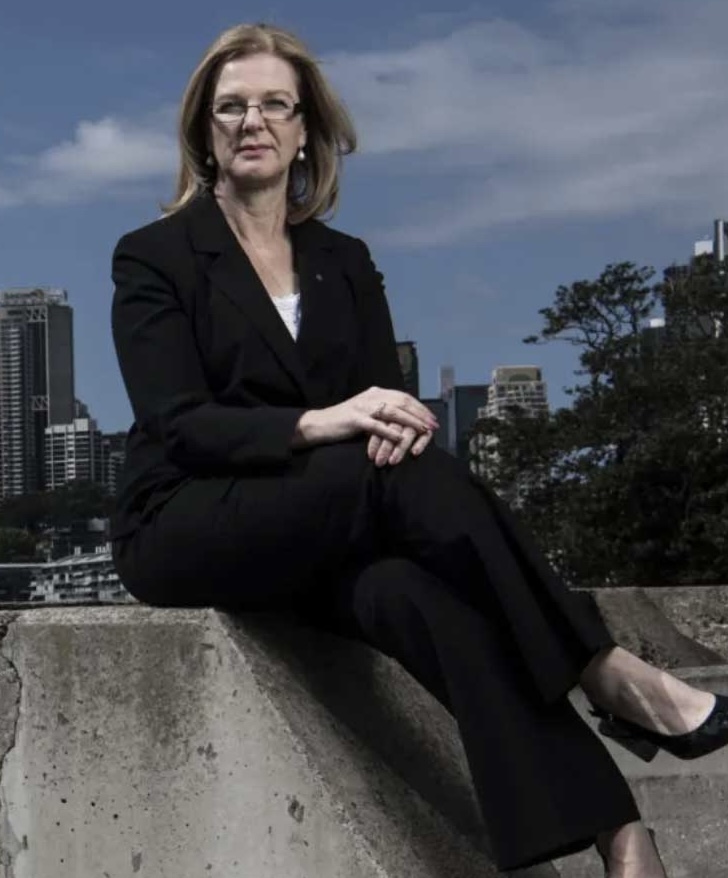
Caroline O'Hare, APM
Counter Terrorism, NSW Police (Ret.)
Caroline was a NSW police officer for forty-two years and performed duty as a Detective, Prosecutor, Close Personal Protection Officer, Negotiation team leader and Intelligence Analyst. She also performed counter terrorism duties for over thirty years across in investigations, intelligence, education, strategy, research and as a counter terrorism negotiation team leader. In 2011 with Dr David Gawel APM, Caroline initiated Australia’s first terrorism cold case, the bombing of the Hakoah Club & Israeli Consulate Sydney in 1982, identifying the international terrorists and local elements responsible. Caroline has degrees in Law, Criminology & Policing (Prosecutions), and was admitted as a Solicitor of the NSW Supreme Court in 2000. In 2016 awarded the Australian Police Medal (APM) for distinguished service by the Governor General of Australia. Upon retirement Caroline and others established Victims of Terrorism Australia, a not-for-profit support group for all Australians impacted by terrorism. VOTA is engaged with Government in producing a countering violent extremism education program and enhancing social cohesion with the direct input of survivor voices, due for completion in December 2026.
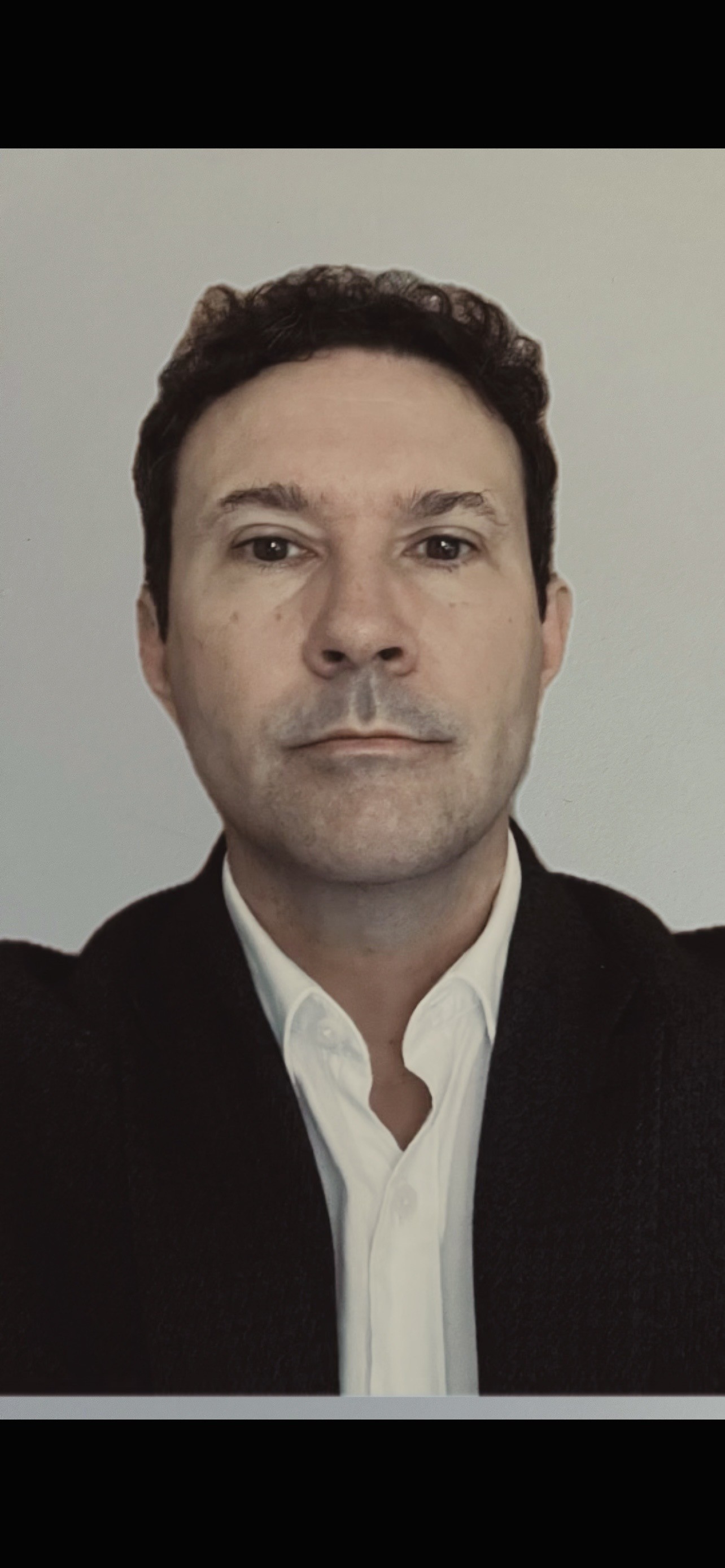
Counter Terrorism and Countering Violent Extremism, UK Police
Ian Cherrington is a former Detective Chief Inspector and Counter Terrorism Senior Investigating Officer (CT SIO) from the UK. During his policing career, Ian led teams responsible for Countering Violent Extremism (CVE) in Prevent and oversaw numerous live operations involving individuals suspected of planning terrorist attacks. He has also led investigations into completed terrorist attacks and their associated inquests. He led the initial response to the Reading terrorist attack, carried out by a lone actor Jihadist and was also the CT SIO for two significant high profile international events. Prior to this, Ian worked as a Senior Behavioural Analyst with the UK National Crime Agency (NCA), where he contributed to linking serial homicide and sexual offences cases across the UK. He holds a Master's degree in Forensic Psychology, and subsequently became the UK national lead for Counter Terrorism Policing in understanding the pathway to violence for lone actors. His work focused on identifying behavioural warning signs before an attack occurs, with the aim of improving early intervention and prevention. He has trained extensively across the UK and Europe and has led large scale research collaborations between law enforcement, academia and UK government research departments. Since moving to Australia, Ian has continued to train and consult with law enforcement, CVE practitioners and government on lone-actor violence and behavioural threat assessment. He teaches post graduate students at Macquarie University on both the advanced terrorism studies and extremism courses. He is currently developing a PhD proposal with Western Sydney University examining the late stage warning signs preceding lone actor attacks and how recognition of these behaviours can be improved. His work is driven by a commitment to preventing lone actor attacks and reducing their devastating impact.
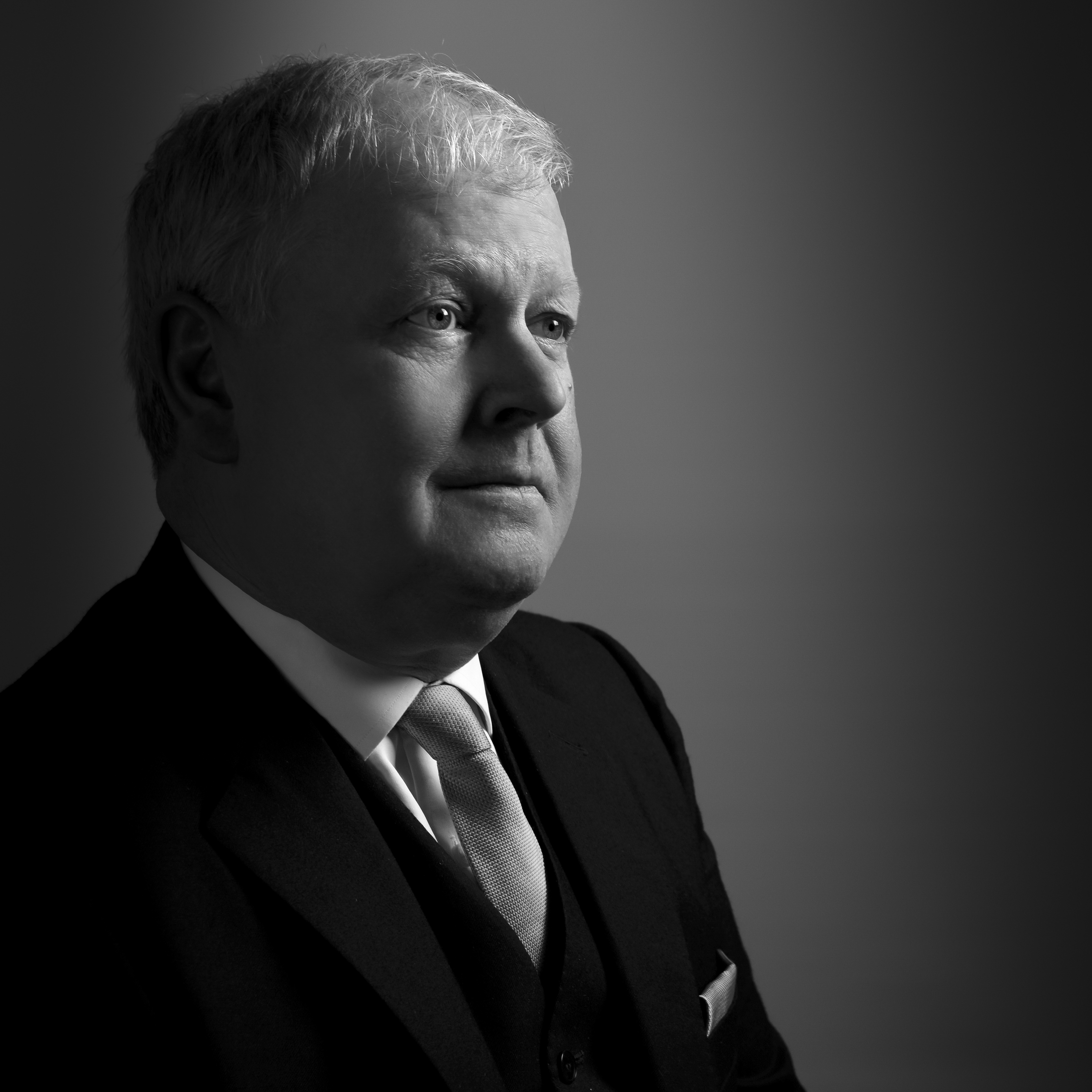
John Fahey
Military and Signals Intelligence, Australia
Dr John Fahey, PhD (University of Sydney), BA Hons (Deakin), PSC(R), MACPara, is a Fellow of the Royal Historical Society and an Honorary Fellow in the Discipline of Security Studies and Criminology at the School of International Studies, Macquarie University. He is also Managing Director of Cynergex Group Pty Ltd. Prior to Cynergex Group, Dr Fahey served in a number of postings, including intelligence, in the British and Australian armies over 28 years as well as serving as an officer of the Australian Signals Directorate. His doctoral thesis was Britain 1939-1945, The Economic Cost of Strategic Bombing. More recently, his primary area of research is intelligence history, in which he has published Australia’s First Spies, a history of Australian foreign intelligence operations from 1901 to 1949; Traitors and Spies, a history of Australian domestic security intelligence activity 1901 to 1955; The Factory, volume one of the official histories of the Australian Signals Directorate from 1901 to 1972; and The Directorate, volume two of the official history covering 1972 to 2001, which is awaiting publication. His work draws heavily on primary source documentation from Australian, UK and US archives. He has also written articles including China and the Cross: Xi’s Vatican Gambit (Catholic Weekly, 2020) and The Origins of Australian Naval Intelligence (Wartime Magazine, 2023). He has also published widely in emergency medicine.
Recording

Watch the recording →
Day 4 · Thursday, 10 September 2026
16:00–17:00 AEST (07:00–08:00 AM BST) · Online via Zoom
Beyond 9/11: Global Muslim Diasporas, Evolving Challenges, and New Paths Forward
Twenty-five years after the pivotal events of 9/11, the global landscape for Muslim diaspora communities has fundamentally shifted. While the enduring impact of structural Islamophobia and security-centric policies remains a critical concern, contemporary Muslim experiences are increasingly defined by complex demographic growth, socioeconomic mobility, and emerging avenues for civic leadership.
This panel brought together international academic and practitioner perspectives to evaluate the evolving reality of Muslim communities across Australia, the UK, and the broader global diaspora. Moving beyond traditional frameworks that view these communities solely through the lens of discrimination or security, panellists explored how historical lessons learned over the past two decades are being applied to navigate contemporary challenges. The discussion examined the intersection of institutional anti-Islamophobia initiatives, shifting public policy, and the successes driven by a new generation of diaspora leaders leveraging digital platforms, economic influence, and cross-cultural coalition building. Ultimately, the session sought to highlight both the ongoing systemic hurdles and the transformative opportunities shaping the future of global Muslim identity.
Co-hosted with Institute for Strategic Dialogue
The Institute for Strategic Dialogue (ISD) is fiercely independent and dedicated to safeguarding individual rights, democratic process, national security and public safety against the rising tide of authoritarianism and extremism globally.
Moderator

Resident Senior Fellow, Institute for Strategic Dialogue
Zahed Amanullah is a Resident Senior Fellow at ISD, leading on ISD’s civil society engagement, communications, and partnerships, coordinating the public and private sectors with activists, frontline workers, and relevant civil society networks. He has worked closely with Google.org to support British and European civil society organisations through the Innovation Fund, the Shared Endeavour Fund, and the Google Impact Challenge on Safety. He has given testimony to the UK and European parliaments and has been featured at the BBC, NPR, Channel 4, Sky News, the Guardian, CNN International, The New York Times, Wall Street Journal, Washington Post, Le Monde Diplomatique, and Newsweek, among others. He has co-authored the ISD reports The Impact of Counternarratives, Between Two Extremes: Responding to Islamist and tribalist messaging online in Kenya during the 2017 elections, and The Innovation Fund to Counter Hate and Extremism in the UK. He holds a BS from the University of California, Berkeley and a Diploma in Management from the University of Bath.
Panellists

Deputy Director of Research, Impact and Engagement, School of Social Sciences, Monash University
Dr Susan Carland is a sociologist of religion and the Deputy Director of Research, Impact, and Engagement for the School of Social Sciences at Monash University. She has won awards for both research and teaching. She has received a Discovery Early Career Researcher Award (DECRA) Fellowship investigating gender and Islamophobia, a Churchill Fellowship investigating global best-practice responses to Islamophobia, and she is the Chief Investigator on an ARC Linkage project tracking Islamophobia and its impact on Australian Muslims' lives. She is also currently conducting research on Islam on the Cocos Islands. She is the lead researcher and deputy director of the Islamophobia Register Australia, where she led the latest Islamophobia in Australia Report.
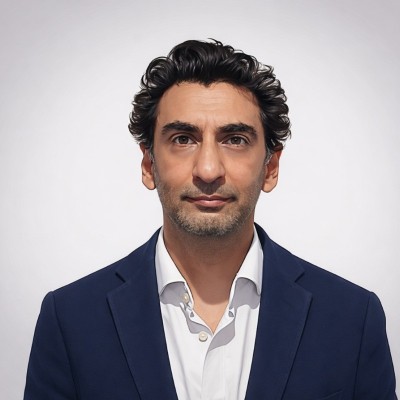
Professor of Criminology and Global Justice, Aston University
Tahir Abbas is Professor of Criminology and Global Justice at Aston University, Birmingham, and Founding Director of the Centre on Radicalisation, Inclusion and Social Equity (RISE). Across three decades, his research has examined radicalisation, Islamophobia, extremism, and social exclusion, focusing especially on Muslim communities in Britain and Western Europe. He was formerly Professor of Radicalisation Studies at Leiden University’s Institute of Security and Global Affairs and is an Honorary Professor at the University of Exeter’s Institute of Arab and Islamic Studies. He led the EU-funded DRIVE project on radicalisation and social exclusion across Northwestern Europe, as well as the PROTONE project on the protection of religious spaces. His forthcoming monograph, Radical Belonging, draws on this work to argue that strong Muslim identity operates as a protective factor against extremism, challenging deficit-led narratives about diaspora communities. Recent books include Global Counter-Terrorism: A Decolonial Approach (Manchester University Press) and the co-edited Routledge International Handbook on Social Exclusion and Radicalisation. He has advised UK government bodies, including the Home Office and counter-terrorism policing, and is a Fellow of the Academy of Social Sciences and the Royal Society of Arts. He writes and speaks on Islamophobia and the politics of Muslim diaspora life.

Paul Thomas
Professor of Youth and Policy, University of Huddersfield
Paul Thomas is Professor of Youth and Policy in the School of Business, Education and Law at the University of Huddersfield, UK. Paul’s research focuses on how frontline practitioners enact state policies around the prevention of violent extremism and around community cohesion and racial tensions. Paul was co-PI for the ESRC/CREST-funded UK ‘Community Reporting Thresholds’ study and for the subsequent Canadian and US replication studies. The UK study directly informed the UK’s ‘ACT Early’ campaign. Paul also worked with Joel Busher and Tufyal Choudhury on the first English national study of how educators in England’s schools and colleges were implementing the Prevent counter-terrorism duty. Paul is a qualified youth and community worker and previously worked for the UK Government’s Commission for Racial Equality.
Recording

Watch the recording →
Day 5 · Friday, 11 September 2026
10:00–11:15 AM AEST · Deakin Downtown, Melbourne — in person and via Zoom (hybrid)
25 Years On: Lessons and Legacies of 9/11
Hosted by the AVERT Research Network and streamed from Deakin Downtown, this hybrid event took place on the 25th anniversary of 9/11. It was the culmination of a week-long series of panel discussions on global threat evolution, online extremism, policing and intelligence, and Islamophobia. On this panel, Dr Kelly Mischel (Victorian CVE Commissioner), Associate Professor Keiran Hardy (Griffith Criminology Institute) and Dr Andrew Zammit (Victoria University) joined Lydia Khalil (Lowy Institute) to discuss the key lessons and legacies of 9/11 — how it shaped terrorism and counter-terrorism, globally and locally, how far understanding of terrorism, radicalisation, extremism and their prevention has come, and what lessons remain unlearned that hamper current efforts to prevent rapidly evolving threats.
Hosted by AVERT Research Network
The Addressing Violent Extremism and Radicalisation to Terrorism (AVERT) Research Network is a multidisciplinary, multi-institutional initiative based at Deakin University’s Alfred Deakin Institute for Citizenship and Globalisation (ADI) in Melbourne, Australia. AVERT brings together researchers, government, community and civil society stakeholders to advance evidence-based research on violent extremism, terrorism and their prevention, as well as the impacts of counter-extremism and counterterrorism on communities. While grounded in Australian contexts and policy landscapes, the Network engages globally with researchers, institutions and emerging trends.
Moderator
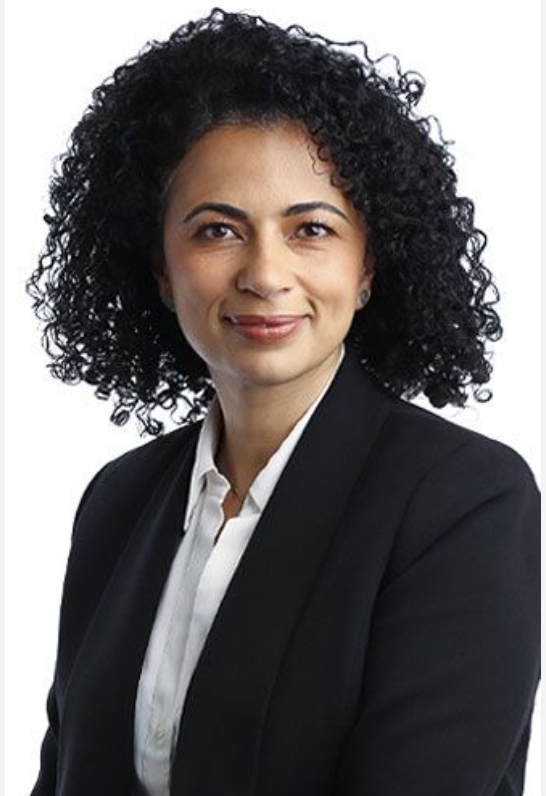
Senior Research Fellow, Alfred Deakin Institute; Project Director, Lowy Institute
Lydia Khalil is a Senior Research Fellow at Deakin University’s Alfred Deakin Institute, Project Director at the Lowy Institute, and former Convenor of the AVERT Research Network. Her research and policy expertise spans counter-terrorism, violent extremism, digital threats, democratic resilience and strategic intelligence. She has held national security and advisory roles with the Boston and New York Police Departments and the US Department of Defense in Iraq, and continues to advise Australian government and international initiatives on countering violent extremism and emerging security challenges.
Panellists
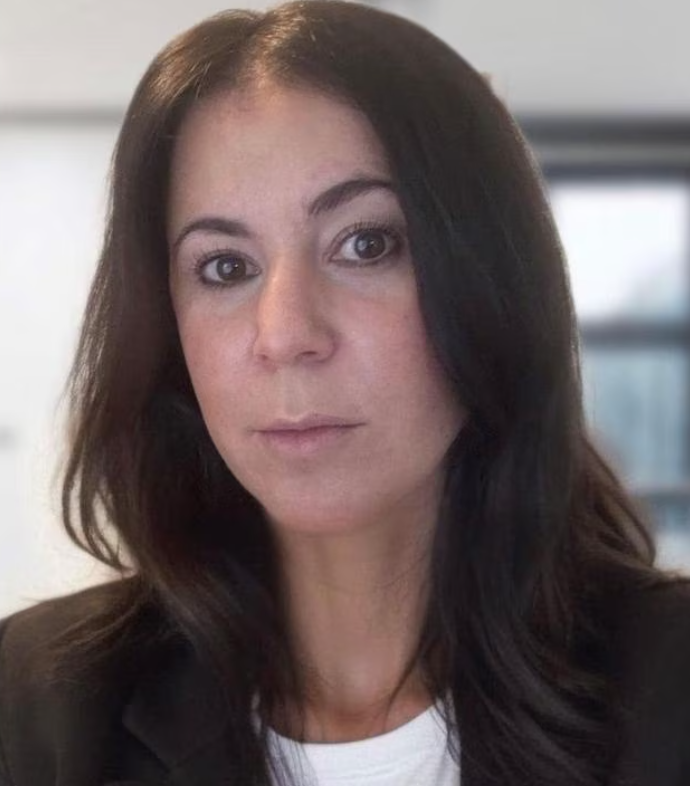
Kelly Mischel
Commissioner, Countering Violent Extremism, Victoria
Dr Mischel is a Forensic Psychologist with over 17 years experience in prison and probationary settings. During her time as the Principal Clinician for Countering Violent Extremism for Corrections Victoria she had a lead role in the clinical service delivery including assessment, treatment planning, intervention, case management and transition of high risk and violent extremist offenders. Dr Mischel is a specialised assessor in violent extremism assessments including the Violent Extremist Risk Assessment (VERA-2R), Terrorist Radicalization Assessment Protocol (TRAP-18) and Radar/PIM. Dr Mischel is currently the Commissioner, Countering Violent Extremism and is responsible for Whole of Government coordination of CVE policy and Crowded Places Safety strategy implementation in Victoria. She further oversees the implementation of legislated early intervention case management schemes to support individuals at risk of radicalising towards violent extremism.
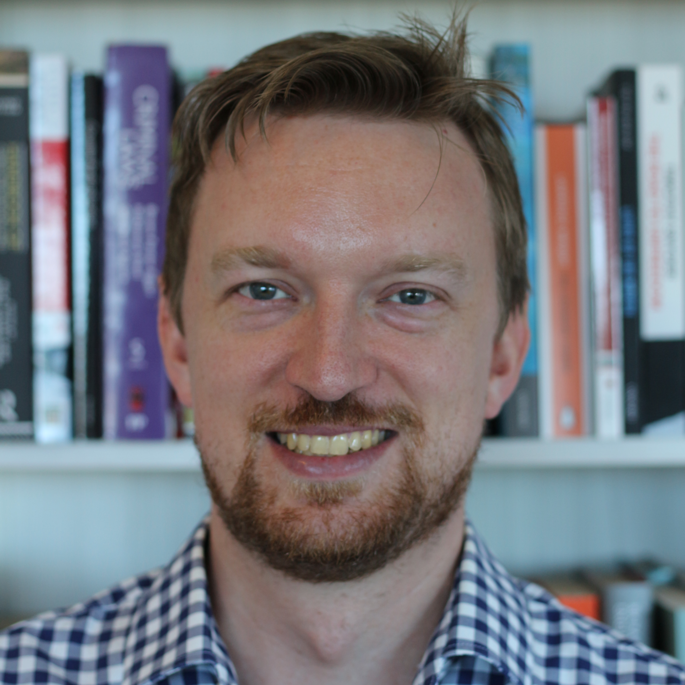
Keiran Hardy
Associate Professor, Griffith Criminology Institute
Dr Keiran Hardy is an Associate Professor in the School of Criminology and Criminal Justice at Griffith University and a member of the Griffith Criminology Institute. He is a recognised expert in counter-terrorism and national security law and he contributes regularly to the media and public inquiries. He is the author of Law in Australian Society: An Introduction to Principles and Process (Routledge, 2024, 2nd ed.) and is currently undertaking a 3-year ARC Discovery Project on conspiracy extremism, focusing on sovereign citizen beliefs and behaviours, pseudolaw, and the impact of conspiracy extremism on families and communities.
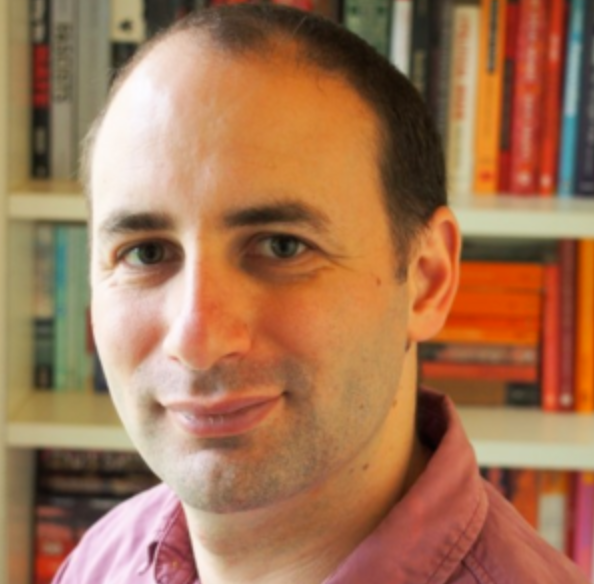
Postdoctoral Research Fellow, Victoria University
Dr Andrew Zammit is a Postdoctoral Research Fellow at Victoria University. His research career in political science, including both public-facing research and applied research with government partners, has focused on terrorism and violent extremism in Australia along with other areas of public policy and national security. He is an Associate Editor of the Journal of Policing, Intelligence and Counter Terrorism, a member of the Victorian Government’s Expert Advisory Committee on Countering Violent Extremism and a member of the AVERT Executive Committee. He was recently awarded a National Intelligence Postdoctoral Grant for the project “How events abroad shape threats at home: grounded approaches for forecasting violent extremism”.
Recording

Watch the recording →